

Living in Boise, Idaho: Urban Energy Surrounded by Natural Beauty
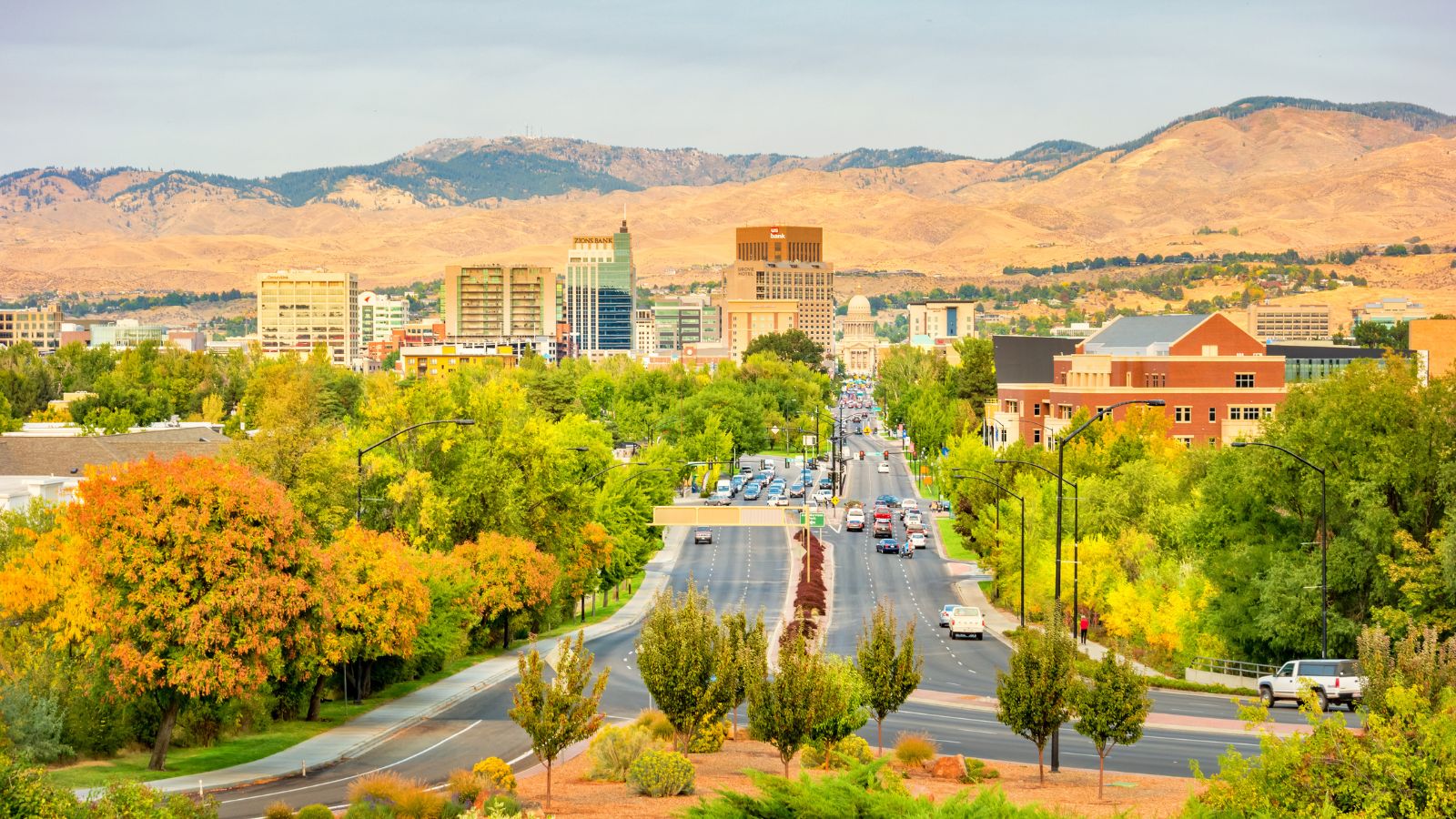
Boise, Idaho, offers a rare balance of vibrant city living and easy access to the outdoors. As the state capital and largest city, Boise serves as the cultural, economic, and social center of southern Idaho while maintaining a relaxed, approachable feel. Residents enjoy a downtown filled with local restaurants, arts venues, and public spaces, alongside neighborhoods ranging from historic districts to newer master-planned communities. The foothills rise just beyond the city, the Boise River runs through the heart of town, and miles of trails connect parks, neighborhoods, and business districts. Boise has earned a reputation for being active, community-minded, and welcoming, with a pace of life that feels comfortable without feeling slow. Whether you are drawn to walkable urban living, family-friendly neighborhoods, or proximity to hiking, biking, and river activities, Boise presents a lifestyle that blends convenience, recreation, and connection in a way that feels both practical and enriching.
What Is the History of Boise, Idaho?
Boise’s history is rooted in its role as a crossroads for travel, trade, and settlement in the American West. The area was originally inhabited by the Shoshone and Bannock tribes, who relied on the Boise River Valley for food, water, and seasonal movement. The city’s modern beginnings trace back to the Oregon Trail era of the 1840s, when Fort Boise was established as a supply stop for westward travelers. The name “Boise,” derived from the French word for wooded, reflected the tree-lined riverbanks that stood out to early explorers crossing the arid landscape.
In 1863, Boise became the territorial capital of Idaho, setting the stage for its long-term growth and political importance. The arrival of gold seekers, merchants, and government officials fueled early development, and Boise quickly grew into a regional hub for commerce and administration. The late 19th and early 20th centuries brought infrastructure improvements, including rail connections, irrigation systems, and public buildings that helped stabilize the local economy beyond mining.
Throughout the 20th century, Boise expanded steadily rather than explosively, allowing the city to grow while preserving a sense of identity and livability. Agriculture, food processing, and manufacturing played important roles, later joined by technology, healthcare, and education. In recent decades, Boise has experienced increased national attention for its quality of life, affordability relative to other western cities, and access to outdoor recreation. Despite this growth, the city has retained strong ties to its history through preserved neighborhoods, historic downtown buildings, and a civic culture that values community involvement and thoughtful development.
Homes for Sale
What Is Life Like in Boise, Idaho?
Life in Boise is defined by accessibility, activity, and community engagement. The city’s layout allows residents to move easily between work, home, and recreation, often within minutes. Downtown Boise serves as a social and cultural anchor, offering locally owned restaurants, coffee shops, breweries, music venues, and public gathering spaces. The city’s compact core encourages walking and biking, and many neighborhoods provide a strong sense of identity and neighborly connection.
Outdoor recreation is woven into daily life. The Boise River Greenbelt stretches for more than 25 miles, connecting parks, neighborhoods, and natural areas while providing a scenic route for walking, running, and cycling. The nearby foothills offer hiking and mountain biking trails with views over the city, while seasonal activities such as floating the Boise River or skiing at Bogus Basin are part of the local lifestyle. These amenities make it easy for residents to stay active without extensive travel or planning.
Community events and cultural offerings add depth to daily life. Farmers’ markets, outdoor concerts, art festivals, and neighborhood gatherings create regular opportunities for social interaction. Boise supports a growing arts scene, with museums, galleries, and theaters contributing to the city’s creative energy. Families appreciate the abundance of parks, youth sports programs, and family-oriented events, while professionals value a growing job market and reasonable commute times. Overall, life in Boise feels balanced, offering the resources of a city alongside the comfort and approachability of a close-knit community.
What Are the Best Neighborhoods in Boise, Idaho?
Boise features a wide range of neighborhoods, each offering its own character, housing styles, and lifestyle advantages. This variety allows residents to choose environments that align with urban, suburban, or outdoor-focused preferences while remaining connected to the broader city.
North End: The North End is one of Boise’s most established and recognizable neighborhoods. Known for its historic homes, tree-lined streets, and proximity to downtown, this area offers a strong sense of community and architectural character. Many homes date back to the early 20th century, featuring classic designs and mature landscaping. Residents enjoy easy access to Hyde Park, local shops, restaurants, and nearby foothill trails. The North End appeals to those who value walkability, history, and an active neighborhood culture.
Downtown Boise: Downtown Boise provides an urban living experience centered around convenience and entertainment. Condominiums and apartments place residents within walking distance of dining, nightlife, cultural venues, and employment centers. The area is home to major events, public art installations, and riverfront parks. Living downtown suits professionals and residents who prefer a car-light lifestyle with immediate access to the city’s amenities and social scene.
East End: The East End blends residential charm with access to the outdoors. Located near the Boise River and foothills, this neighborhood offers a mix of historic homes and newer construction. Residents appreciate quick access to parks, trails, and the Greenbelt, as well as a quieter atmosphere than downtown. The East End attracts those who want proximity to nature while remaining close to central Boise.
West Boise: West Boise features a mix of established subdivisions and newer developments, offering a range of home styles and price points. The area provides convenient access to shopping centers, restaurants, and major roadways. Parks, schools, and community facilities support a family-friendly environment. West Boise appeals to residents seeking space, convenience, and a suburban feel within city limits.
Southeast Boise: Southeast Boise has seen significant growth and investment in recent years. The neighborhood combines residential areas with technology campuses, parks, and river access. Newer homes, townhomes, and mixed-use developments contribute to a modern feel, while the Greenbelt and nearby recreation areas enhance livability. Southeast Boise attracts professionals and families looking for contemporary housing options and outdoor amenities.
Together, these neighborhoods highlight Boise’s ability to offer diverse living environments while maintaining a cohesive sense of place throughout the city.
What Schools and Education Options Are Available in Boise, Idaho?
Boise is served primarily by the Boise School District, which is known for its commitment to academic quality, student support, and community involvement. The district operates a range of elementary, middle, and high schools across the city, offering diverse programs that include traditional academics, language immersion, arts education, and career-focused pathways. Boise High School, Borah High School, and Timberline High School are among the district’s well-known secondary schools, each offering Advanced Placement courses, extracurricular activities, and strong community ties.
Charter schools and alternative education options provide additional choices for families. These schools often focus on specific instructional approaches, such as project-based learning or STEM education, giving parents the flexibility to select the best fit for their children. Private and parochial schools are also available in and around Boise, offering faith-based or independent education with smaller class sizes and specialized curricula.
Higher education plays an important role in the city’s identity. Boise State University anchors downtown and contributes to the local economy, culture, and sports scene. The university offers a wide range of undergraduate and graduate programs, as well as research initiatives and community partnerships. Additional institutions, including community colleges and technical schools in the region, support workforce development and continuing education. Boise’s strong educational landscape supports lifelong learning and contributes to the city’s appeal for families and professionals alike.
What Is the Weather Like in Boise, Idaho?
Boise experiences a four-season climate with distinct seasonal changes and generally mild conditions compared to many other parts of the country. The area averages approximately 205 sunny days per year, about 12 inches of annual rainfall, and around 19 inches of snowfall. This combination provides ample sunshine while still delivering seasonal variety.
Summers in Boise are warm and dry, with daytime highs often in the upper 80s to low 90s. Low humidity levels make the heat more comfortable, and evenings typically cool down into the 50s or 60s. These conditions are ideal for outdoor activities such as hiking, biking, and river floating. Autumn brings cooler temperatures, with highs in the 60s and 70s, along with colorful foliage in the foothills and along the river corridor.
Winters are relatively mild, with daytime temperatures often in the 30s and 40s. Snowfall occurs regularly but is usually manageable within the city, while nearby mountains receive heavier snow for winter sports. Spring arrives gradually, with temperatures climbing into the 50s and 60s and increased rainfall that supports blooming landscapes and green spaces. Overall, Boise’s climate allows residents to enjoy outdoor recreation year-round while experiencing the visual and environmental changes of all four seasons.
How Easy Is It to Get Around Boise, Idaho?
Transportation in Boise is designed to support both local mobility and regional connectivity. The city’s road network enables efficient travel between neighborhoods, employment centers, and commercial areas, with commute times generally shorter than those in larger metropolitan areas. Major roadways, including Interstate 84, connect Boise to surrounding cities and states, supporting both daily commuting and longer-distance travel.
Public transportation is provided by Valley Regional Transit, which operates bus routes throughout the city and surrounding areas. While many residents rely primarily on personal vehicles, public transit offers a practical alternative for commuting and accessing key destinations. Boise is also known for its bike-friendly infrastructure, including dedicated bike lanes and extensive access to the Greenbelt, making cycling a viable option for both recreation and transportation.
Pedestrian access continues to improve, particularly in downtown and mixed-use areas where sidewalks, crossings, and public spaces encourage walking. For air travel, Boise Airport offers direct flights to major cities across the western and central United States, making business and leisure travel convenient. The combination of manageable traffic, multimodal options, and regional access contributes to Boise’s reputation as an easy city to navigate.
Are You Ready to Call Boise Home?
Boise, Idaho, stands out as a city that offers both opportunity and a high quality of life. Its blend of urban amenities, diverse neighborhoods, strong schools, and year-round outdoor access creates an environment where residents can build meaningful routines and long-term plans. The city’s steady growth reflects its appeal, yet Boise continues to prioritize livability, community connection, and thoughtful development. Whether you are drawn to historic neighborhoods, modern housing, an active lifestyle, or a balanced pace of life, Boise offers options that align with a wide range of goals. If you are considering a move to the area or exploring your housing options, reach out to me to learn more about living in Boise and finding the right place to call home.